Workshop FAQ's


Q: WHY do a workshop?
Q: Who participates, how advanced are the participants?
Q: What kind and how much equipment should I bring?
Q: What time do we start, where do we meet, and when is it over?
Q: What kind of topics will be covered?
Q: Is transportation provided?
Q: How do I handle lodging reservations?
Q: Does it matter which medium I use - digital, print film, or slides?
Q: How should I dress?
Q: Does weather ever alter events?
Q: What’s the difference between a Workshop and a Tour?
Q: How much “hands-on” help will I get in the field?
Q: HOW WILL I REMEMBER EVERYTHING WE TALK ABOUT IN THE FIELD?
Q: How do I register for an event?
Q: What’s included in my tuition?
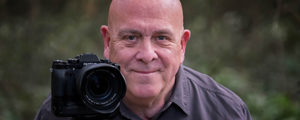
First, I want to thank you for your interest in my photography workshops.
I have been conduction Photography Workshops for many years. Photography is my business, not my hobby. I go only to locations I am very familiar with. This way itineries can be set and adjusted to make the best use of our field time depending on light and weather conditions. I pride myself in repeat customers. In 2009 almost 20 % of my attendees were repeat workshop attendees.
The workshops I conduct are different than the vast majority of the workshops available. First, if you attend a “group workshop” my group size is limited to only eight participants max per instructor. If more than 8 people register, I add another experienced instructor to insure personal one on one attention. Second, I only do workshops in areas that I am very knowledgeable of. I know the right time, right light and right conditions to be in the right areas in order to allow for the best images available. I base itineries on the light and conditions. The goal is to get people to the best locations in the best light. Typically each location has so much variety that we can find something spectacular no matter what the light conditions is that day. One on One individual workshops offer all of the above in a personalized adventure.
As I just noted, I also conduct one on one; pre arranged workshops (details are on my web site under “workshops” where I spend a day or 2 with an individual in the same setting as above, only this kind of a workshop lends self to individual instruction, in a one on one environment. IN 2009 many of my One on One workshops were here in the Pacific Northwest, however I spent a number of days with folks in Glacier National Park, The Olympic National Park as well as Death Valley.
During either format, we typically shoot from dawn to dusk (short days in the winter and, really long days in the spring). We eat, sleep, and breathe photography. This is intense photography experience and most attendees come out the experience shooting at a much higher level.
Time is also spent (usually when the light is really bad or during the evenings) doing image critiques and discussing the post processing process.
Field time is a real “hands on “approach to gaining information and making quality images. My workshops are a “learn by doing” type of experience. I have had many repeat clients some up to four times, and workshops fill up quite nicely. This makes me feel like I deliver the end results via a formula that works. I learn and get as much from the attendees as they get from me. I really enjoy teaching and seeing the participants develop technique, good habits and thus great images, knowing I had something to do with their developmental process. There photo workshops are the perfect vehicles to deliver the results you are expecting.
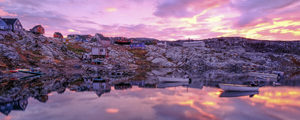
We go to some of the most beautiful locations anywhere!
Again, we make sure that, we take time to review and critique our work. This is one of the most important parts of the workshop.
When the workshop is over, I encourage you to stay in touch with me if you have any questions about anything that has to do with photography. Though we part ways on the last day of the workshop, I hope you will stay I touch.
Below are a few questions that I am sure you would like answered regarding some general information needed prior to registration?
WHY do a workshop?
Do you know how to properly create an image using the correct methods of depth of field? Do you use your Depth of field setting on your camera? Do you know how to properly compose and spot meter if necessary an image when your automatic metering system in your 5000.00 camera is fooled by the scene? (Yes, it happens!)
These are just 2 examples of why workshops are invaluable. With the huge growth in digital camera sales, there are lots of folks that are really new to photography. My workshops include beginners to very advanced armatures. In my opinion, there is no better way to learn than by doing. Yes, read all the books, study other photographer’s styles and theories, but actually learning in a specific predetermined setting from competent instructor is invaluable. I see folks spending thousands of dollars on equipment, often more expensive equipment than professional use, thinking that the equipment and accessories will allow them to make quality images. I recommend when budgeting for equipment to include san allowance for instruction on just how to use your cameras, lenses etc. correctly.
Who participates, how advanced are the participants?
Anyone will find my workshops to be a great learning experience. Our participants literally range from beginners to professionals.
About 2 weeks before the workshop you’ll be getting emails from me about specific topics like weather, dress, equipment… probably more than you need. I rather over inform you than have you wondering what’s going on!
What kind and how much equipment should I bring?
I suggest bringing lenses from 20mm to 300mm if at all possible. Some events will find macro lenses a benefit. For digital shooters - don’t forget your memory cards and battery recharges, for film shooters, bring lots of film (customers have ranged from Digital DSLR users to large format film shooters)
BASICALLY:
- Camera body (a spare if you have one)
- Lenses from 20mm up to 300mm in prime and/or zoom combinations (don’t forget lens shades)
- Other lenses 400 up to 600 mm for shooting wildlife ( depending on the workshop—ask me for specific details!)
- Tripod and ball head
- Shutter release or cable release, if you have one
- A backpack or a fanny pack will be very helpful.
- Filters: polarizer, neutral density filters, warming filters (not as mandatory for digital photography, but if you have them, do bring them along)
- Lens cleaning items – air blower, brush, etc
- Sufficient memory cards and a good backup system for those cards…. Lots of film for you film users (yes film is still around and can provide excellent results)
- Camera manual (just in case there are any technical questions with your equipment)
- Laptop (Digital users)
- Spare batteries
- A flashlight
- Layers of clothing; and it is never wrong to include gloves, hat for cold weather or hat for sun protection
- Sunscreen, drinking water and snacks for the car
- Alarm Clock
What time do we start, where do we meet, and when is it over?
Events typically start on the evening prior to the 1st full day of shooting, with a social hour at a hotel of choice, close to where we will leave from every morning. We will outline itineries and objectives for the workshop. Events should end around noon on Sunday. We shoot sunrise every morning, weather permitting as well as sunset.
What kind of topics will be covered?
Topics include equipment use and maintenance, field techniques, composition and if possible critiques of your past or current work. These sessions take place when the light is least cooperative for good nature photography, depending on weather conditions. Weather conditions may cause us to vary from our preset itinerary but you van be assured that all pre-formulated topics will be covered and your work critiqued sometime during the workshop.
Is transportation provided?
Each participant is responsible for their own transportation. Car-pooling during the event is encouraged both to minimize the number of vehicles at shooting locations and to get to know one another.
Transportation from your hotel or prior agreed upon location IS provided on the One on One, individual workshops
Field transportation is provided during the One on One workshop.
How do I handle lodging reservations?
I will suggest hotels/motels close to a general area where will meet every am and try to meet to critique your work. You are free to stay at other locations as ling as you are there (at the meeting location) every AM prior to departing for the first shooting location
Lodging is not included in the tuition.
Does it matter which medium I use - digital, print film, or slides?
Today, most of our participants shoot digital, However, we encourage both digital and film. My objective is to teach and enhance skills necessary for good nature photography techniques and good composition.
How should I dress?
I will send out emails or phone call you about a week before the workshop to let you know what the weather looks like.
However, come prepared for anything and bring an extra layer of warm clothes when working at higher altitudes or in cooler climates. Good boots, gloves and a hat are essential to stay dry and warm. If you have Internet access, check the weather forecast at www.accuweather.com before you leave home.
Does weather ever alter events?
Only if there is an element of danger.
What’s the difference between a Workshop and a Tour?
PHOTO TOURS
- Locations are usually well known, and participants get the "icon" shots
- Usually lots of time spent shooting with less one on one contact With leaders.
- Leaders usually shoot a lot
- Not much time to review work either via laptop or "critique" sessions either when the light is bad, or in the evenings.
- Groups usually larger than the true "workshop" events.
- Once the "tour" is over. That’s it!
PHOTO WORKSHOPS (MY PREFERENCE)
- Well know locations, "icon" shots as well as selected areas that may be extremely photographical as well known
- Usually lots of shooting time in the field with much one on one instruction. Tours typically have a much greater 10 attendees to 1 instructor ratio that workshops.
- Leaders shot a bit, but usually as instruction for participants. For example, it is not uncommon to get to a location and work with participants to explain what the leader may do, think and act to make a pleasing image. We all have different ways of trying to obtain the same result. It doesn't mean my way is the best way, it means my way is the best for me, but by understanding what I do, in addition to other photographers, you should be able to find what works best for you. Also, I have found that participants like to see how the workshop leader shoots the same scene, thou maybe a bit different and perhaps pick up some ideas to use in future shoots. As an example, I just finished going through my images from my workshop in the Eastern Sierra last October (I do that workshop every October-this will be my 11th year there at that time). I shot a total of 75 frames in 4 days. The vast majority of that time is spent talking and doing my job as a leader with my participants. If I want to shoot for myself, I will come in a day early or stay a day later. I actually tell my participants, they are encouraged to "hang out" on those days and shoot with me if they want, but to understand, this is "my time".
- Depending on the conditions and the time of the year (some days are longer than others---shooting time that it!) the review and critique of work In a classroom setting can be limited. This is why I have developed what I call my "Classroom in the Field "Photography workshops. Though I always include some classroom and critique time, I am NOT going take an inordinate amount of field time in good light from sitting inside and talking about things when I can do the same thing in the field. We always make some time to do some critiques though as I have found over the years participants want to know what the leaders think of their work and how, if anything can be done to improve the participants results.
- I use a formula of 7-8 participants to one gets larger I bring in another extremely competent workshop assistant at my expense. However this has only happened about 3-4 times in the past few years. I enjoy the small group settings and find they really make the workshop fun and memorable for he participants.
- I recently received an image from one of my participants from a workshop from 2004. He had a question for me regarding the composition. This happens a lot and I encourage it. Though we all leave for home after the workshop, you can always send me note of call if you have something I can help out on. My office here in Oregon is filled with images from many of my past attendees. I encourage my participants to always stay in touch.
How much “hands-on” help will I get in the field?
This sometimes depends on you. If you need or want help, just ask. As I or my assistant makes their rounds, you may be asked “How are you doing?” If you say “OK”, we’ll move along. If you say for example “What do you think, am I exposing this scene correctly? I (we) will do everything I can to answer your questions so you fully understand the answer. Sometimes, I (we) might ask to take a peek through your viewfinder. I take my responsibility as your field instructor seriously and will give you as much, or as little, attention as you feel you need.
HOW WILL I REMEMBER EVERYTHING WE TALK ABOUT IN THE FIELD? I can’t take notes while working with my equipment.
Each participant will receive as part of my workshop:
- A complete 40+ file of field notes discussing everything we talked about during the workshop. This is a living document and will be added to as time goes on.
- You will receive a copy of my GUIDE to POST PROCESSING…Which is a basic outline on how I process images. I do not go into very specific information regarding every little adjustment (I leave that to folks like Scott Kelby!) but this is a 10+ page outline on how to process your images in 15 minutes or less.
How do I register for an event?
- Either email me for the appropriate forms or visit http://www.jackgrahamphoto.com/contact.php Deposit and Payment Information
- Please return your Deposit, Registration Form, and Assumption of Risk Document as soon as possible.
- A $250.00 deposit is required for each l workshop
- Some workshops have limited space. First come first served.
- IF YOU FIND THAT YOU CAN NOT ATTEND, AFTER SENDING YOUR DEPOSIT: Deposits are not refundable; however credit for the entire amount of your deposit(s) is applicable for future workshops.
- Final deposits are due 1 month prior to workshop. Payment balance can be made at the workshop site.
- If you pay by check PLEASE MAKE CHECKS PAYABLE TO: JOHN GRAHAM
- I also accept MasterCard and Visa
- Please email back to jack@jackgrahamphoto.com or mail to: Jack Graham. 17159 SW Lynnly Way, Sherwood, Oregon USA 97140
What’s included in my tuition?
Each attendee will receive a set of workshop notes, post workshop compiled from the key points from all of our event leaders. Tuition also includes all lectures, fieldwork and critiques of your slides in our general sessions. Travel costs, film processing, lodging, entrance fees, and meals are not included.
WORKSHOP DISCOUNTS:
- Each participant will go home with a copy of an edition of the Photograph America Newsletter, published by Robert Hitchman. One lucky participant drawn out of the hat) will receive one year’s subscription FREE.
- Discounts on Lensbaby, Nik Software and Think Tank products will be passed on to all ( for example is you buy the Nik Software suite you’ll receive a 15% discount, which is somewhere in the 75.00 dollar range.
- After attending one of my workshops, you are then entitled to a 10% discount on all future Jack Graham Photography Workshops.
- If you are a member of NANPA www.nanpa.org) you will receive an additional 10% discount. You must include your NANPA id# on your registration (this 10% discount almost pays for a one year’s membership!)
- And more……..