
Skip to Content

Olympic National Park

Hurricane Ridge Sunrise
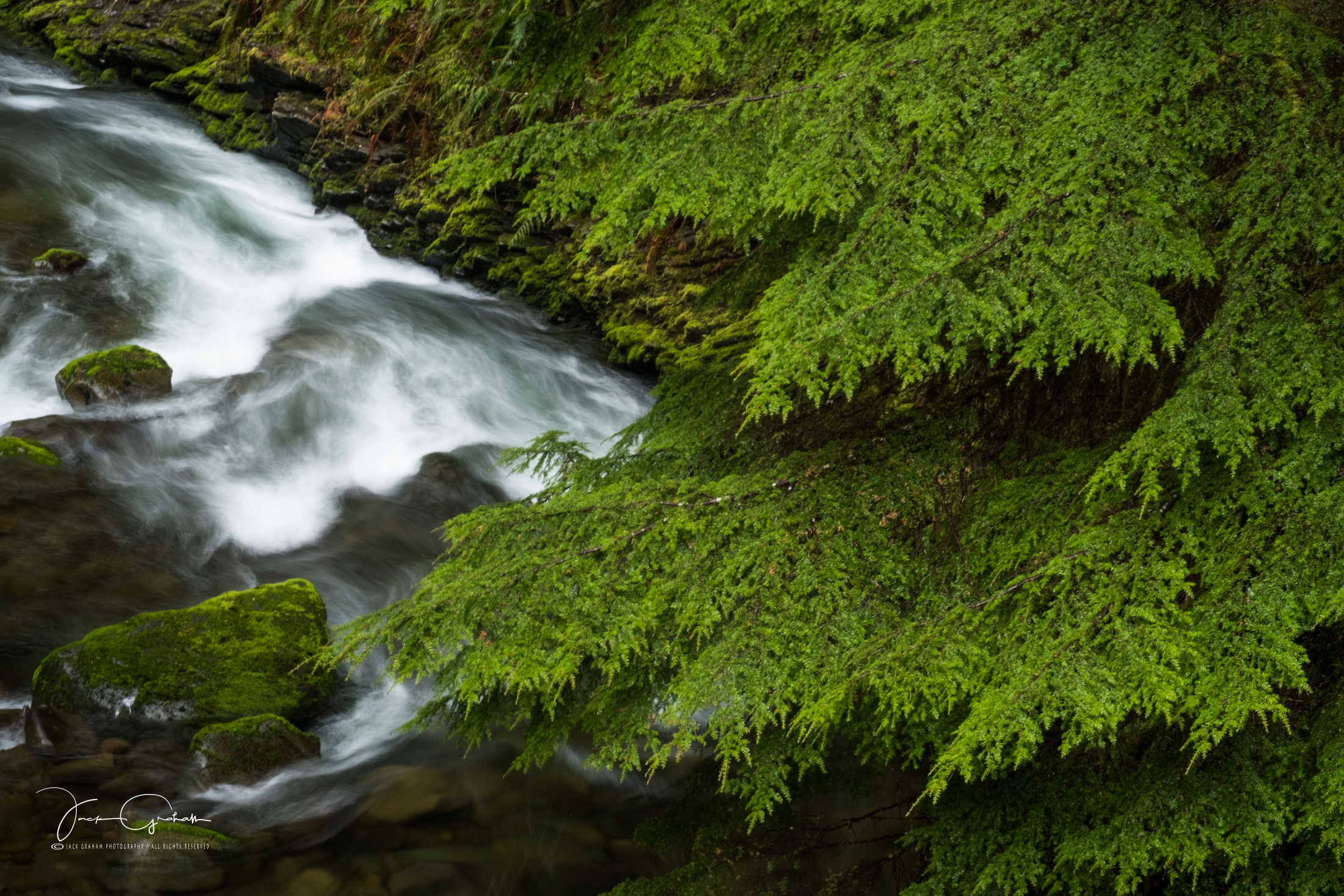
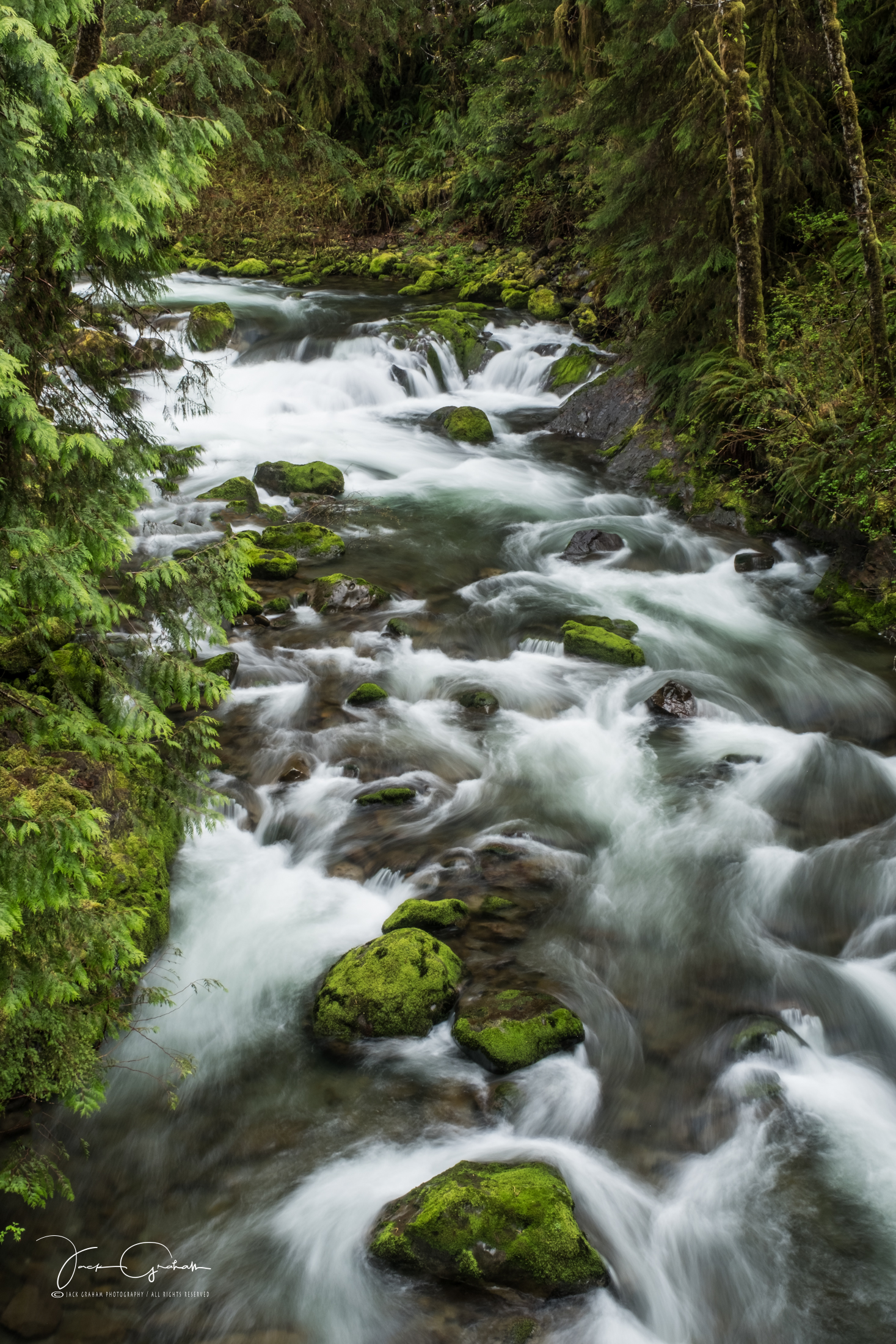
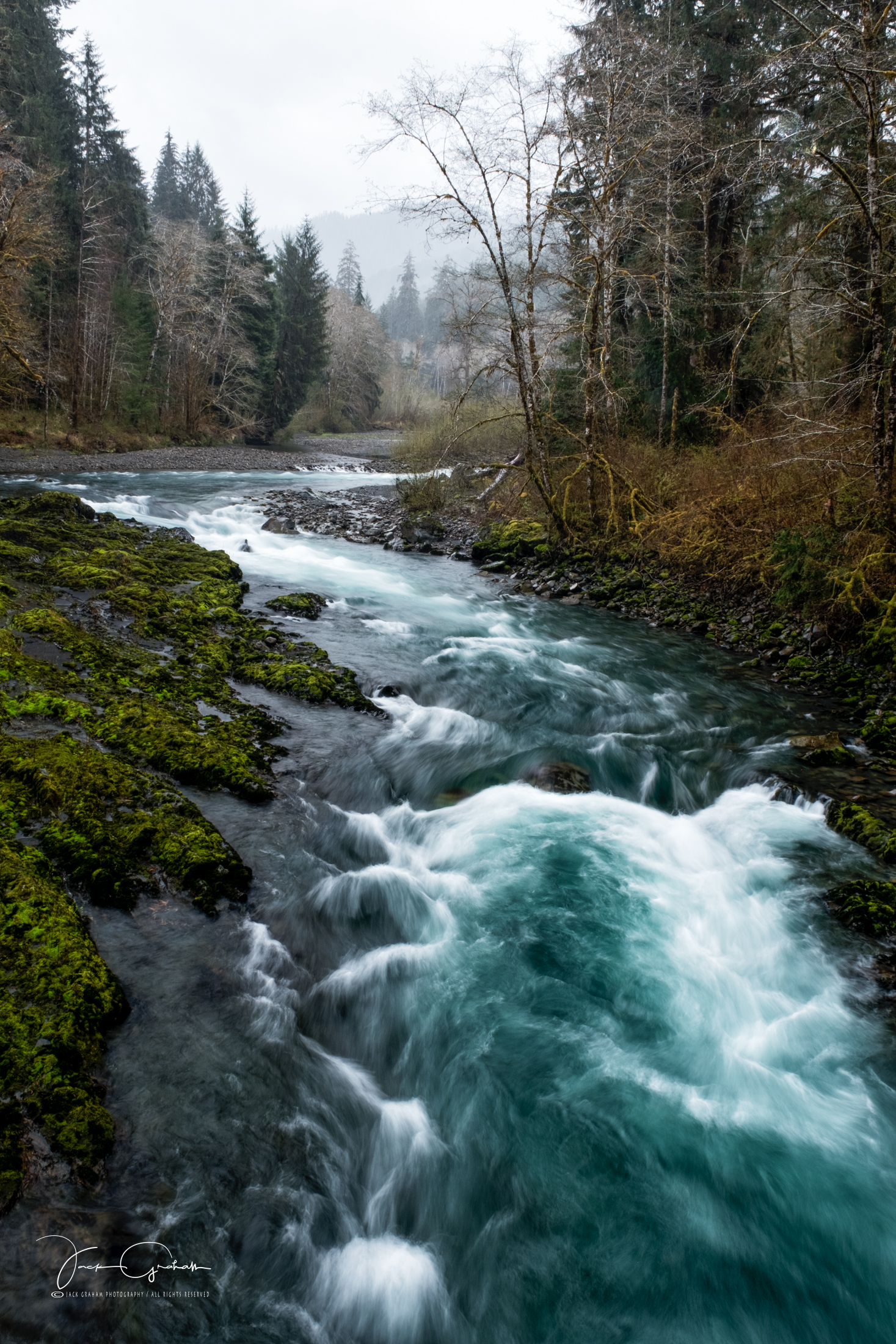
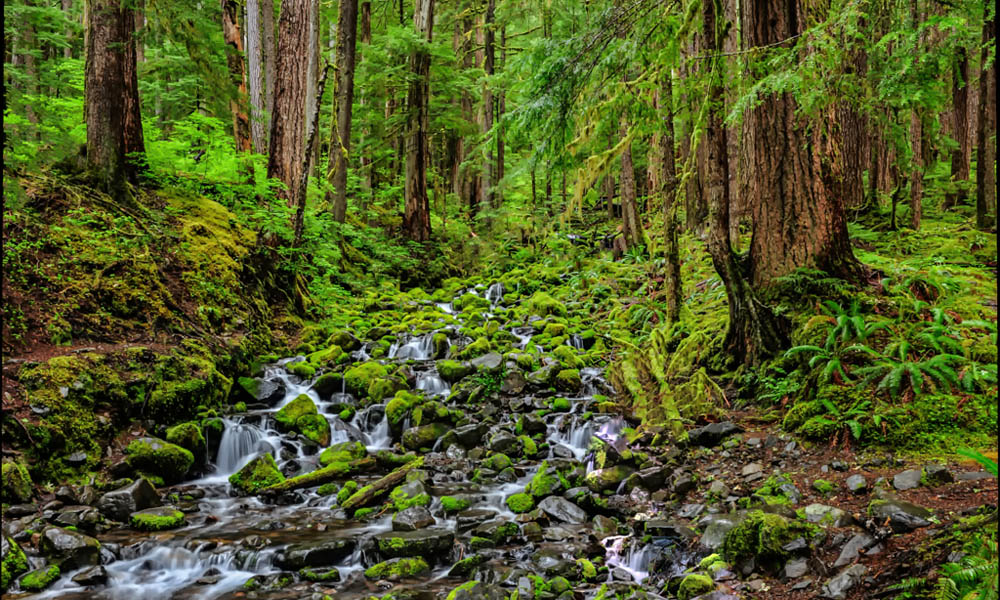
Stream in the Sol Duc Falls Area
Old Growth Rainforests
Tide pools along the Olympic Peninsula
Hoa Rainforest, Olympic NP
Near Sol Duc Falls
Sunrise from Hurricane RIdge
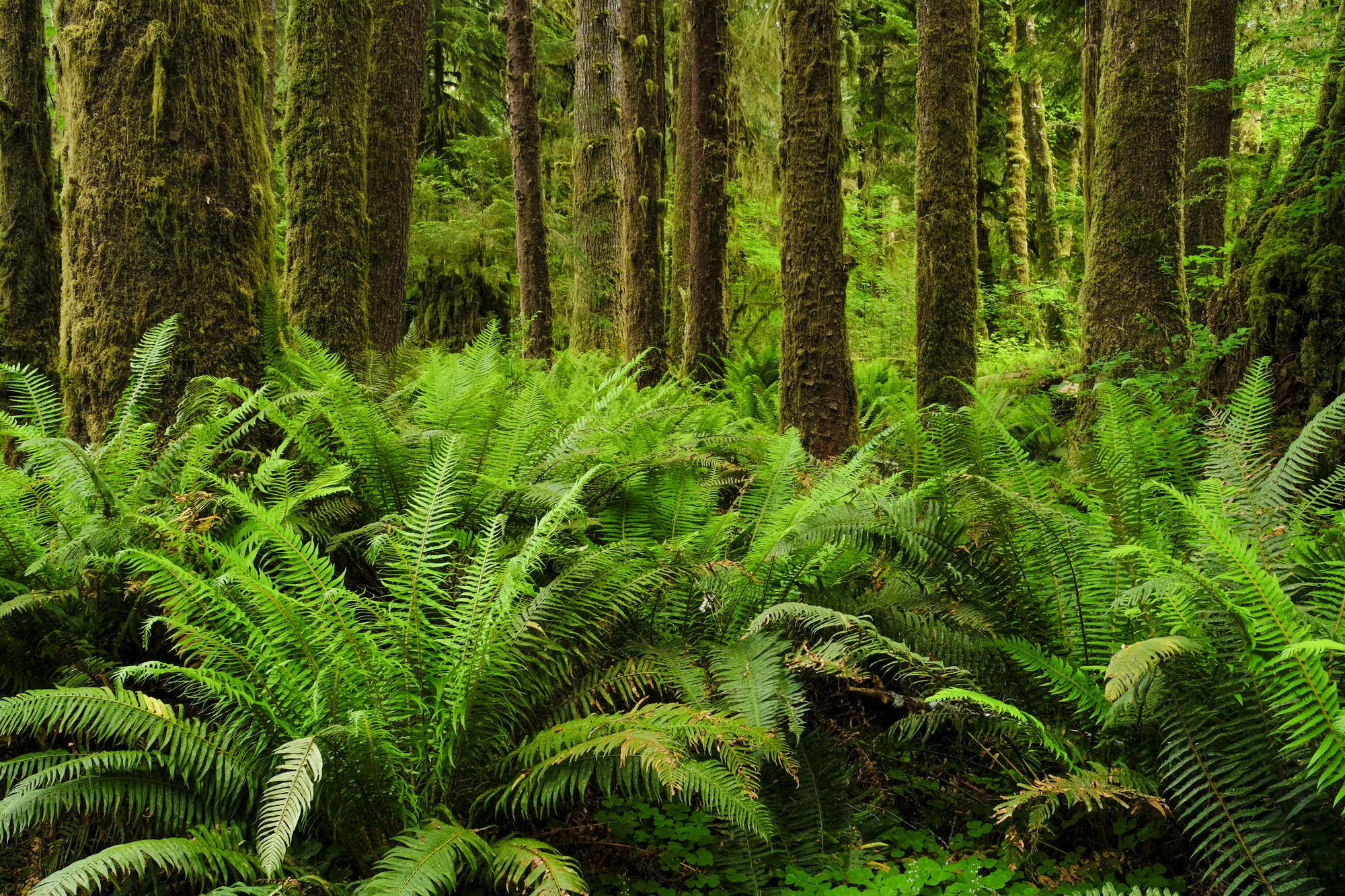
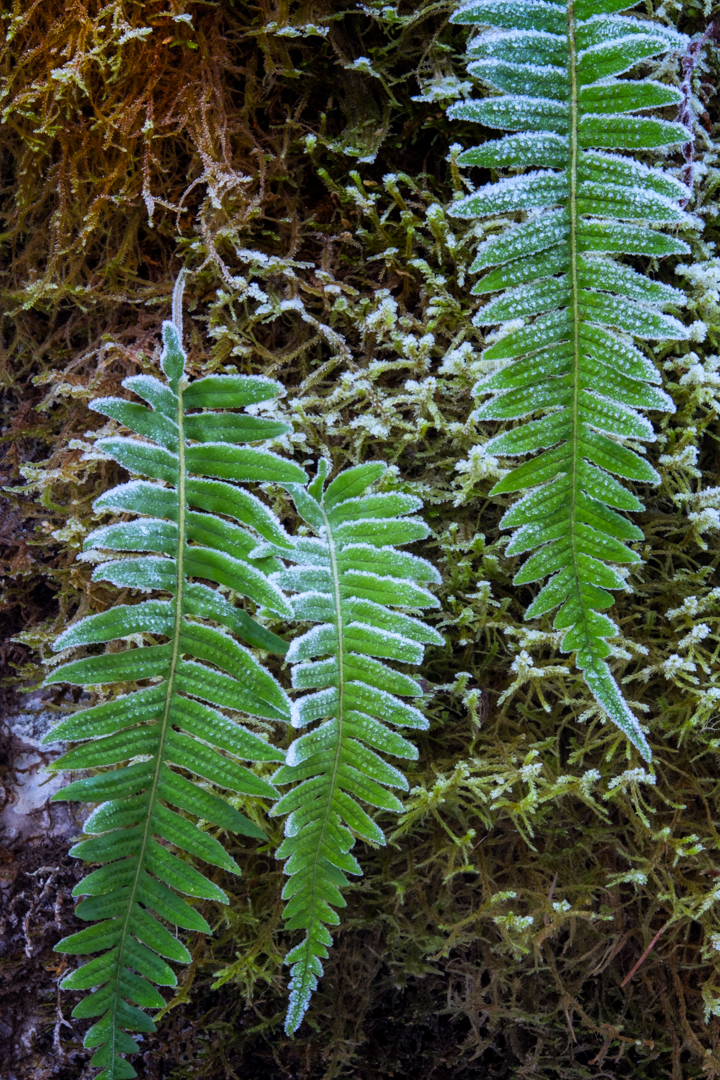
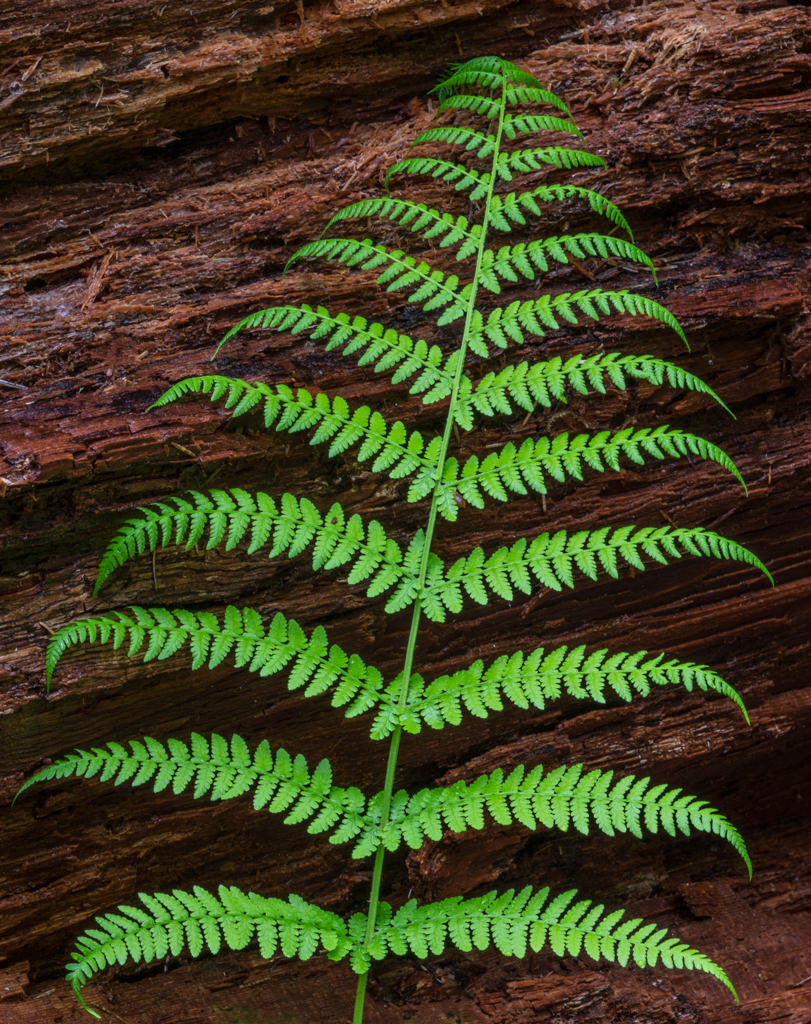
On the Forest Floor
4th Beach, near Kalaloch
In the Hoa Rain Forest
Hoa Rain Forest
e_LANP_ONP_LkQuinault1_0908_4355.jpg
When is this Workshop?
May 17 - May 20, 2012
How much is this Workshop?
$795.00 per person

<!--[if !mso]>

<![endif]--><!--[if gte mso 9]>

Normal
0


false
false
false


MicrosoftInternetExplorer4

<![endif]--><!--[if gte mso 9]>


<![endif]--><!--[if !mso]>

<![endif]--><!--[if gte mso 10]> <![endif]-->


Jack Graham Photography Workshops

Photography workshops in the field®


2012 OLYMPIC NATIONAL PARK

Photography Workshop


April 16 (6pm) -APRIL 20  2012


COST: $ 795.00


On even semi clear days, the snow-capped peaks of the Olympic Mountains. Are visible from Seattle,  First explored 1890, when a Seattle newspaper sent an expedition across Puget Sound  the Olympics Peninsula of 3,600 square miles are still even today a wild, sometimes beyond descriptive area. Even today no roads traverse the interior, which remains native habitat of elk, bear, and old-growth forests, protected by Olympic National Park and the rugged, saw-toothed peaks of the Olympic Range. For access ro the peninsula, for example you must take the loop highway, 101, then follow it for 330 miles around the peninsula counterclockwise via Port Angeles to Aberdeen or visa versa.

The Olympic National Park is without a doubt most diverse when it comes to weather, topography and photographic opportunities. The park itself encompasses the majority if the Olympic Peninsula. Some mountaintops reach 7965’ while the western coast of the Pacific is just a short distance away. This western side of peninsula is the wettest climate in the continental USA receiving over 160” of rain yearly. The northeastern side, just a quick drive away receives a mere 12” of rain yearly. This area is commonly known as the “Banana Belt”.

YES!!! I AM HOPING FOR RAIN!! (Sounds a bit funny I guess… but, well not heavy rain, but cloudy, drizzly, light rain from time to time!). Typically the best photography here is made in the soft light of a rainy day as we move about the park. The rain serves to bring out the deep lush greens and


The advantage of making images in the rain ( hopefully drizzle and or light rain!) is that when most objects are wet they glisten and the water bends the reflected light coming off an object’s surface. The water reflects the light in various directions and intensities and enhances the already special effect of the deep green lush rainforests etc that we’ll be experiencing..

We will visit the sub-alpine forests, wildflower meadows, temperate rainforests along with the rugged seacoasts of the peninsula and the park.

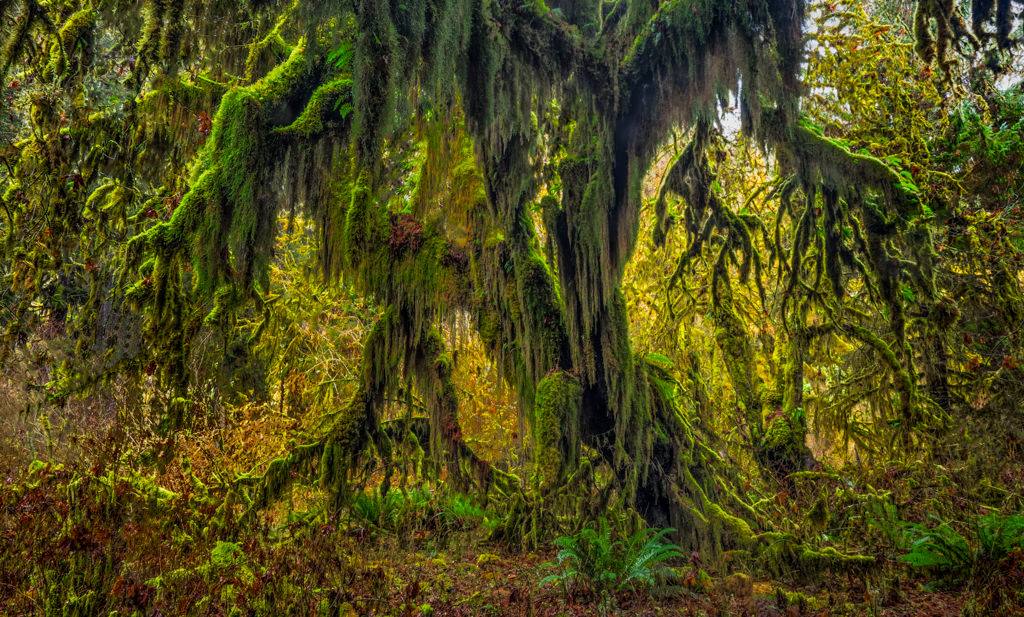
On the western side of Olympic National Park, resides the only temperate rainforest in the Northern Hemisphere. The moss-draped pines, hemlocks and spruces of the Hoa Rainforest provide breathtaking images.

 Beach access is a short hike from our cars and provides photographic opportunities of the sea stacks, tide pools and rocky shorelines that are common here on the Washington Coast.

We will explore the areas from Kalaloch to the south to Rialto Beach, First Beach to Second Beach to the north.

The majority of instruction and nature photography tips and techniques will take place right there in the field. There’s no need to take notes. After the workshop you’ll receive a complete 50+ page syllabus containing everything we do in the field and more.

 We take time in the evenings and periodically during the day to review our images in informal critique sessions. Special presentations concerning nature photography will also be made during these sessions.

 My workshops are sponsored by NIK SOFTWARE, Photograph America Newsletter, Think Tank Photo Bags, Lensbaby , Hunt’s Photo and Video and the Really Right Stuff. Discounts and some freebies are included in your workshop “pack” that you’ll receive upon arrival.

 Evenings will consist of informal sessions to discuss information on photographing in the area, critique sessions of your work shot during the workshop as well as general photography information.

As with all our workshops, this is primarily a field workshop. We do not sit in a classroom during the daytime. We are outshooting & learning about photography in the field, not behind a desk. However, it is critical as well as being very informative, to take time to review your work, and discuss important aspects of making quality photographs

As in all other Jack Graham Photography Workshops more information  etc will begin to flow to you about 3 weeks before the start of the workshop.


SUGGESTED READING

http://jackgrahamphoto.wordpress.com/2011/07/12/2377/

Please consider joining us in the very special corner of the world, like no where else!

Sincerely,

Jack


Some of the Locations that we will visit include:


Port Angeles
A bit father along 101, as you continue moving counterclockwise around the northeast corner of the peninsula, you reach Port Angeles.  We will stay here at least one night. Easy access to the park and Hurricane Ridge is close by.

Hurricane Ridge

Hurricane Ridge is a popular location featuring flowering meadows along with rigged mountain peaks. Wildlife abounds here including black tail deer, Douglass Squirrels and more, all acclimatized to tourists.

The vistas from the viewpoint look out over the Olympics. Nearby trails offer even more variety and photographic possibilities.

Did You Know?
That endemic Olympic snow moles are scurrying beneath this blanket of snow? Olympic National Park's Hurricane Ridge is blanketed with over ten feet of snow for most of the winter, providing water for summer and protection for snow moles in winter

Did You Know?
Olympic National Park protects the largest unmanaged herd of Roosevelt elk in the world. Olympic was almost named "Elk National Park" and was established in part to protect these stately animals

Sol Duc Falls

Old-growth forest, subalpine lakes, and snowy peaks populate the Sol Duc landscape, while the Sol Duc River serves as a key highway for Coho salmon, running through the valley and ascending to the lakes and headwaters in the surrounding mountains.

We will visit a local state park for some great views of the river and old growth forest images. We will also venture onto the falls itself. This waterfall best embodies the rainforest feel of Olympic National Park.

Lake Crescent

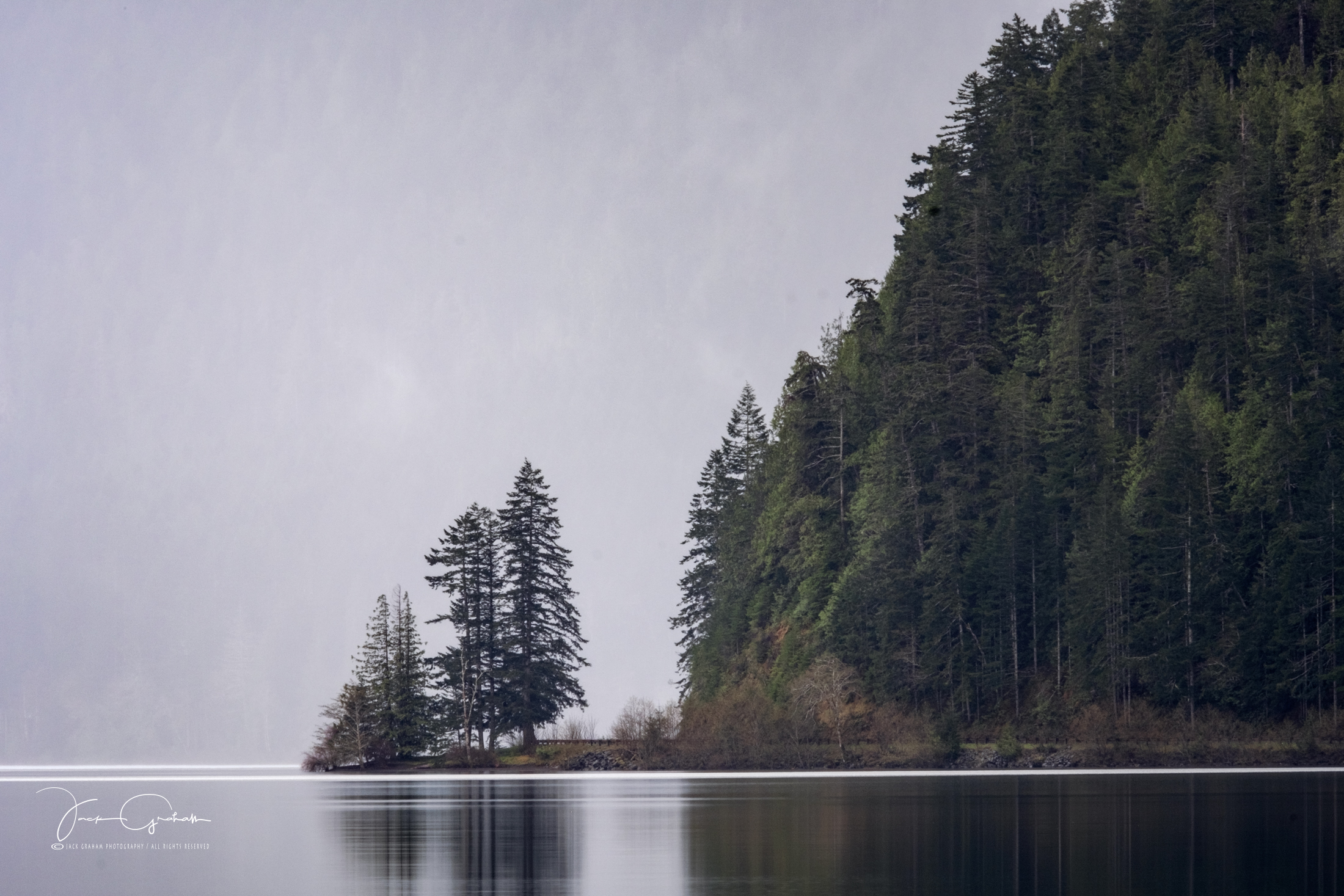
The shores of Lake Crescent are magnificent, offering vistas across the lake to the adjacent mountains.  It has been said that the views rival anything in the Alps

La Push and the beaches

.La Push, a town surrounded by the coastal section of Olympic National Park and just outside the Quileute Indian Reservation. For views of the Pacific surf and nearby sea stacks. We will visit the famous 2nd beach, Rialto Beach where the driftwood, rock formations and tidal areas allow for outstanding marine photography.

Hoh Rain Forest
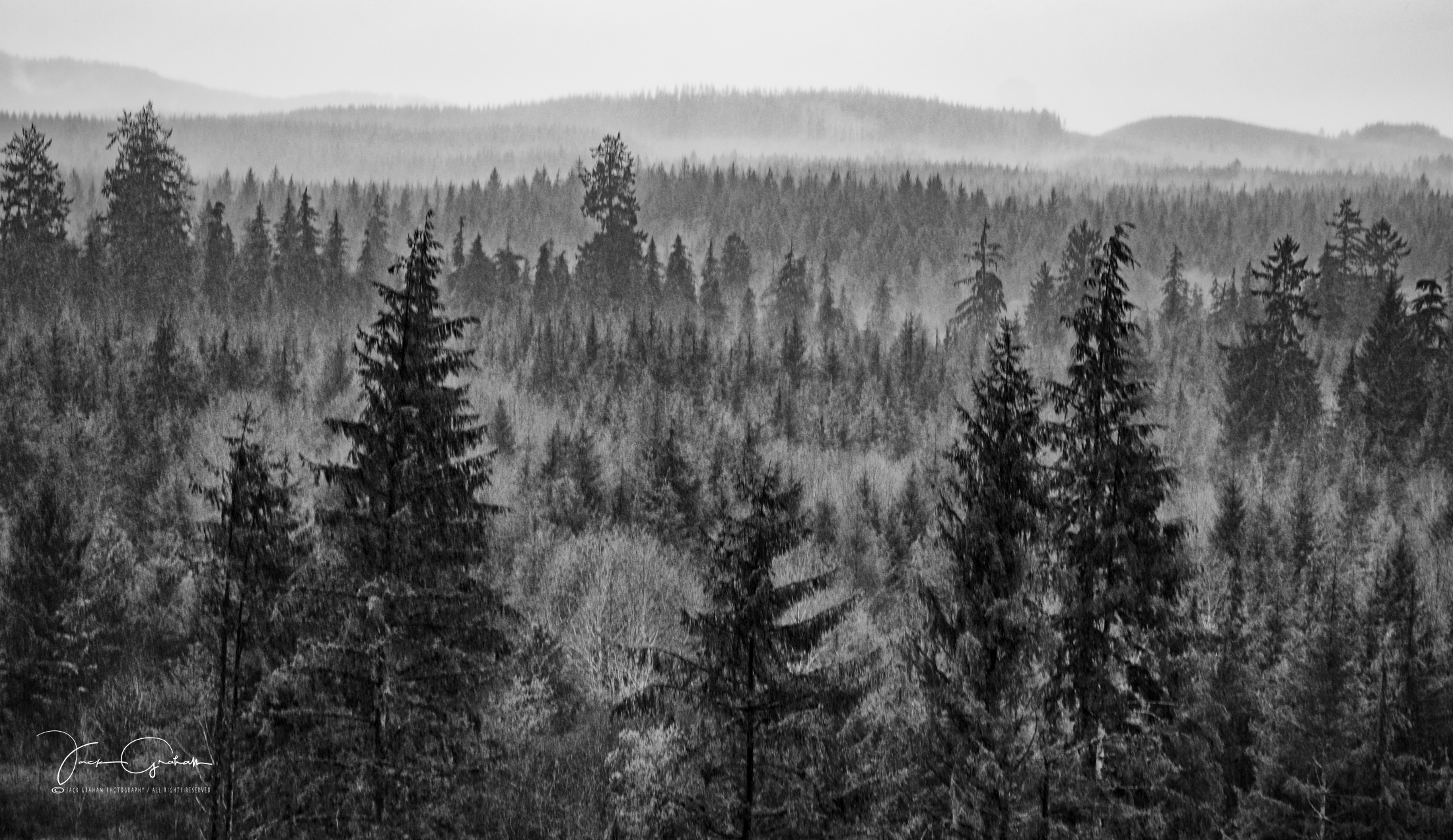
One of the real highlights of the workshop has always been the drive and the hike in the Hoh Rain Forest. . Here moss covered Sitka spruce and western hemlock reach heights of up to 300 feet thriving on an average of 150+ inches of rainfall a year. The Hoh is like Tolkien's middle-earth, a supernatural world of fantastic shapes. Often, shafts of sunlight pierce the damp air, causing steam to rise on soggy forest floor. The moss-draped pines, hemlocks and spruces of the Hoa provide breathtaking images, found only here in the primeval Hoa. Lush beds of ferns, mosses and flowering plants are everywhere. Roosevelt Elk are common in the meadows of the Hoa.

Quinault Rain Forest
As wonderful as the Hoh is, some locals prefer the Quinault Rain Forest A lake view drive along eh river and lake offer somewhat different possible images than other areas in the park.

Kalaloch & the nearby beaches

Kalaloch is one of the most visited areas of Olympic National Park. Kalaloch and Ruby Beach are located on the southwest coast of the Olympic Peninsula.

____________________________________________________________

TRAVEL INFORMATION

Traveling by Car


  There are many routes to take if you consider driving. Please contact me for info on those that are the most photographic. We will meet in Forks,Wa. (see lodging information below) on the evening of May 16th ( to go over itineries and discuss our objectives of the workshop  (meet at hotel at 6PM—lobby)


  FROM SEATTLE: (north and south of)

  From the greater Seattle area and I-5 corridor, you can reach U.S. 101 by several different routes.


  • Cross Puget Sound on one of the Washington State Ferry System car and passenger ferries.
  • Drive south to Tacoma, take State Route 16, and cross Puget Sound at the Tacoma Narrows Bridge.
  • Drive south to Olympia and access U.S. 101 there. 


FERRY from SEATTLE

  A ferry runs every hour or so. The crossing is about 30 minutes. Ferries depart from Pier 52 in Seattle (801 Alaskan Way, Seattle). Cost is about 8.00 per adult and 15.00 per vehicle (including one adult)

  From Bainbridge, follow the sign on HWY 305 to HIGHWAY 3, across the floating Bridge on the Hood Canal to HWY 104 and then take HWY 101 to Port Angeles. Continue another 57 miles to Forks.

  Please arrive into FORKS on the May 16th. to go over itineries and discuss our objectives of the workshop  (meet at hotel at 6PM—lobby)  .We will shoot through noon on May 20th as well so plan accordingly.

  Travelling by Air

  FLY into SEA TAC Seattle.  &  Take Ferry Across Puget Sound You can fly into Port Angeles… …pricy.


The

William R. Fairchild International Airport

serves the greater Port Angeles area and is the closest airport to Olympic National Park. Rental cars are also available.

Currently, Kenmore Air flies seven daily round-trip flights between Port Angeles and Seattle’s Boeing Field. Kenmore Air is an alliance partner of Alaska Airlines and Horizon Air, so connections to Port Angeles can be booked from more than 90 cities across North America. Connections involving other airlines can be booked through your travel agency or directly at

KenmoreAir.com.


The to Sea-Tac from Port Angeles. For those thinking about flying out Sunday night . I would highly recommend staying by the airport and flying out Mon


LODGING:


We will be in Forks the evening of the 16, 17, 18, checking out the morning of the 19th


Forks, Wa:

Pacific Inn Motel   352 S Forks Ave Forks, 98331 http://pacificinnmotel.com/

  1-866-599-6674


PORT ANGELES


We will be in Port Angeles the evening of the 19th, checking out the morning of the 20th

The workshop will end around Noon on Sunday the 20th.

Super 8 Port Angeles        2104 E. 1st Street    Port Angeles,WA 98362     360-452-8401 or 800-800-8000
jkim@pasuper8.com
Website


WEATHER


Average monthly rainfall (inches), west to east across the Olympic Peninsula.

               Kalaloch          Hoh                      Port Angeles              Sequim

                   (coast)         (rain forest valley)       (northeast rainshadow)

Winter      17.12               18.33                              3.04                         1.61

Spring        8.94                10.33                              1.05                           .94

Summer     3.13                  3.33                                .81                           .79

Autumn   11.17                13.00                              3.72                          1.91


Yearly    103.00                135.0                              25.9                         15.80


Mid May Weather: Highs about 65 degrees, Low’s about 45 degrees. This is usually the tail end of the rainy season, but I would always prepare for rain.


YES!!! I AM HOPING FOR RAIN!! (well… not heavy rain, but cloudy, drizzly, light rain from time to time!). Typically the best photography here is made in the soft light of a rainy day as we move about the park. The rain serves to bring out the deep lush greens and


The advantage of making images in the rain (hopefully drizzle and or light rain!) is that when most objects are wet they glisten and the water bends the reflected light coming off an object’s surface. The water reflects the light in various directions and intensities and enhances the already special effect of the deep green lush rainforests etc that we’ll be experiencing..


FOOD/DINING

We’ll be eating a good dinner and breakfasts. It is important we carry water and snacks during the day.

 However, we are here to photograph and often the best light is at breakfast and dinner. Please know this in advance.

WHAT TO BRING:

In this temperate rainforest climate you can expect moderate temperatures with moisture-laden air and plenty of rainfall during the rainy season In addition to my suggest photographic gear ( AND RAIN PROTECTIONS!) As a rule, bring clothing suited for outdoor activities and walking or hiking, and rain gear:

  • Waterproof jacket, hat and pants if possible
  • Travel Umbrella
  • Sturdy waterproof or water-resistant shoes or boots
  • An insulating layer (long sleeved top) in cooler weather
  • Warm hat, scarf and gloves in cooler weather
  • Sunglasses and sunscreen (yes maybe even in May!)
  • Gor-Tex Hiking shoes/boots really good quality sox ( and plenty of them)


Staten Island Queens Brooklyn Manhattan Bronx